 |
||||||
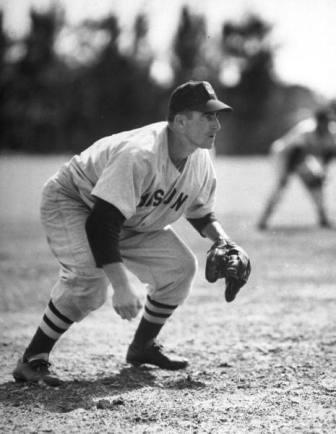
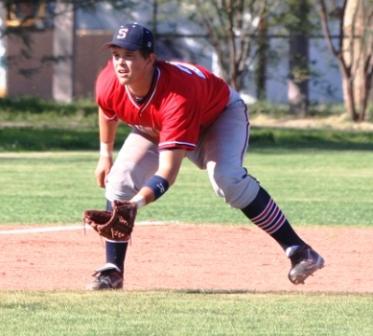
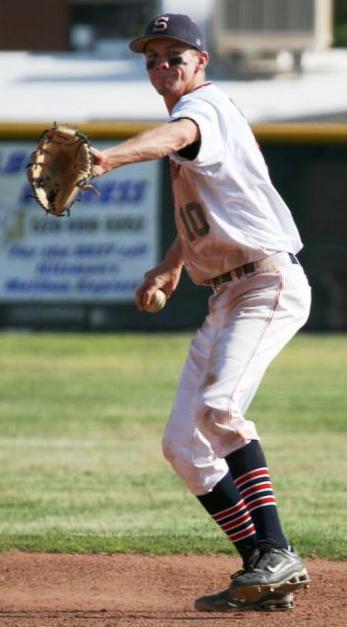
Infield ~ Quick Hands And Quick Feet!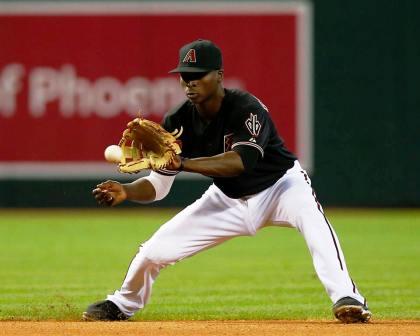 Baseball infielders, close to the action and ready to react in a split second. The essentials for an infielder? Quick hands and quick feet. The videos below are from Valle Baseball, they provide some insight into the value of training with a smaller glove. The smaller glove forces the player to get into the proper position and look the ball into the glove. There are many companies that make some form of infield trainer, from flat pancake gloves, to various versions of a smaller trainer. I have always used just a very small youth glove to work with infielders; but the problem comes in the inability to fit larger hands into those gloves. The companies are now making these gloves with the ability to fit everyone, helps make your drills run smoother. I have a niece and nephew who are both left handed. Other than the pancake models, left handed has been impossible to find. Recently I ran across Valle Baseball's Website and the series of gloves shown in the videos below. They have these for both left and right, and even make a model which is an 11" first baseman's glove. If you haven't tried a small glove with your players, once you do, you and they will like the results, no matter which source you purchase one from. Rawlings has a 5 tool trainer, which is what I currently am using. It does the job also, though not as advanced as the Valle. I used one infield and one first baseman's glove with our varsity infielders this past season. As a team, we averaged under one error per game for the season. We took ground balls with them, 1B's worked on picking throws in the dirt as well, it certainly provided the players with some additional confidence. The smaller glove forces fielders to look the ball into their glove. Once they develop that habit, errors decrease, confidence increases. Looking at the images below, you could say, the more things change, the more they stay the same. These images were taken roughly 65 years apart. What worked for Johnny Pesky in the 1940's is still working for the high school player of today. As with societies fashions, "what goes around, comes around" is prevalent in baseball also.
The Basic Skills For An Infielder ~ Fielding A Ground Ball And Throwing The Runner OutPre-pitch set position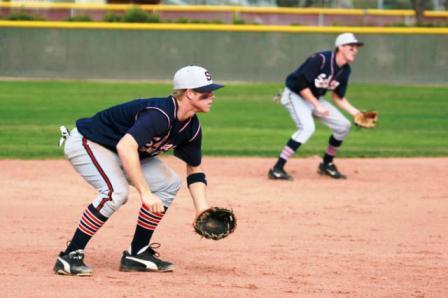
Fielding Position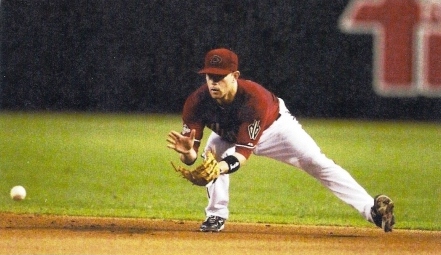
Square Up To Your Target, Gain Some Ground, Set your Feet And Throw
Step On Line And Throw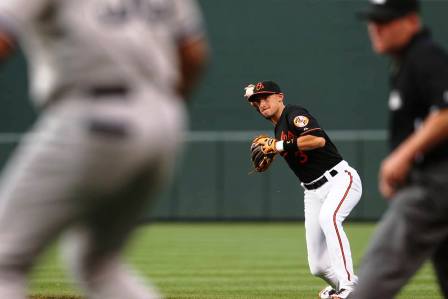
Infield Tips ~ From the Dugout
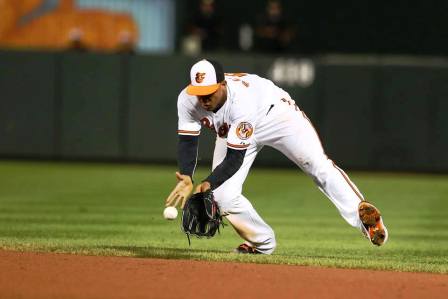
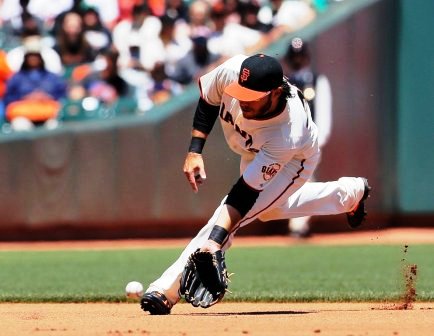
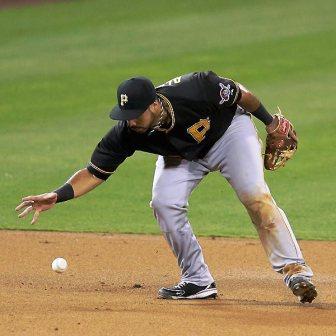
The Basic Things To Think About Pitch To Pitch:

It's A Pretty Sure Thing That A Player's Bat Is What Speaks Loudest When It's Contract Time; But There Are Moments When The Glove Has The Last Word! ( Brooks Robinson )Additional Topics: Position Specific SkillsFirst Base ~ Can Just Anybody Play This Position? Second Base ~ It's More Than Ground Balls and a Short Throw Third Base ~ The Hot Corner And So Much More return from baseball infield to theoleballgame.com 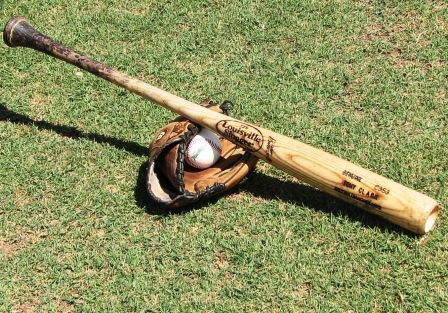 |
  Click the image to visit our question page and have it answered. Due to my increased coaching schedule, I would ask that questions be limited to the following categories: Baseball Instruction, Baseball's Mental Game and Defensive and Offensive Situations. Don't have a question right now? Maybe you'd like to browse through questions already submitted. Each question becomes it's own web page on this site. Step up to the plate and put the ball in play! It only takes a few minutes. Solid resources for other categories: Baseball Resource |
|||||
 |
||||||
|
| ||||||